Get Rid Of Built In Oven And Microwave: 10 Reasons Why You Don't Have It
Benefits of a Built in Oven and Microwave If counter space is at a premium in your kitchen, a built-in oven and microwave can help reclaim some of that space. They can help you cook and bake. Trim kits are available to create a seamless integrated look. Microwaves can also be installed in a drawer or on the counter. They must be placed at a level that is comfortable and need adequate ventilation. Space Saving Instead of putting your microwave on a countertop, and then using your oven to bake or heat food, you can enjoy the best of both with an oven built-in and microwave. This combination appliance allows you to free up counter space and also add storage beneath the cabinets in a tiny kitchen. This appliance is an excellent option to think about when you are planning to remodel your kitchen or building your new home. If you have a small or a large kitchen, fitting your microwave in the design of your kitchen will give it a more finished customized look. You can build cabinets around it or put it in an open shelving location for a sleek, seamless appearance in your kitchen. Some people even tuck it into the back of an island to make it easier to reach. However, it is important to keep in mind that this placement may require ventilation and may cause gaps between the microwave and the cabinetry. 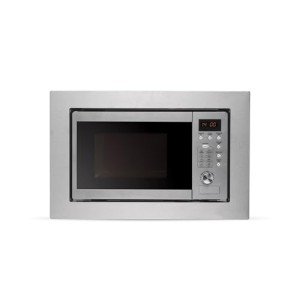 While a freestanding model can be used anywhere in your kitchen, a built-in one is designed to be inserted on the wall or in cabinets. This creates a seamless harmonious look to the kitchen layout. built in microwave over oven is generally more expensive than an open-air oven. in built microwave comes with a range of advantages, making it a good investment for your cooking and lifestyle. A built-in oven can bring a variety of features to your kitchen, such as precise temperature control, energy efficiency, optimised pizza making settings, and more. These features are designed to improve your cooking experience and transform your kitchen into a gourmet's paradise. It is crucial to remember that the life span of a built-in appliance will differ depending on its type, quality, usage and adherence with proper maintenance guidelines. A well-maintained built in oven will last for about 15 years. Explore Beko's range of high-quality built-in ovens if contemplating remodeling your kitchen. We offer a wide range of styles and finishes to fit any kitchen design. Convenience Built-in ovens and microwaves help you free up valuable counter space in your kitchen. You can choose between different styles of installation that fit the design of your home and create an aesthetically pleasing appearance with other appliances. Some models can be incorporated into the wall or island. Built-in ovens are equipped with many useful features that allow cooking and entertaining to be made easier. Some of them include a grill function that lets you cook a variety of dishes without preheating the oven, as well as automated cooking programs that help you save time by setting the correct settings for various foods. Some models also come with child safety locks to prevent accidental opening of the oven. You can also personalize your built-in oven to fit your home's aesthetic by choosing a range of finishes. These are often neutral in appearance, so they can blend with other appliances like your electric range (also known as the range) or dishwasher. Some of the most luxurious ovens are constructed of brushed stainless steel which is futuristic looking. A microwave or oven built into the unit can also take up less counter space than an over the range model, which makes it easier to keep your work area clean. Additionally it can be installed in a flush position against the wall to further reduce space and give a cleaner look. When selecting a built-in oven, think about the size and power that you'll need. A smaller model is sufficient if you only plan to use it to heat food. If you intend to make it a part of more complicated meals, such as baking or grilling, you may be interested in a larger model. A built in oven is usually more expensive than a freestanding model and it can require additional cabinetry or modifications to fit into the space it takes up. Additionally, once installed, a built in oven can be difficult to move or take away when you decide to alter your kitchen layout. Style A built in oven is a kitchen appliance that has been specifically designed to be integrated into a cabinet or wall to be an integral fixture in your home. They are more expensive than freestanding models and are less mobile. This could be a problem when you intend to alter the layout of your kitchen in the future. Built-in ovens are a great option to create a fashionable kitchen space that blends seamlessly with your decor. Microwave ovens can be placed on top of your counter or tucked inside a cabinet door for an entirely built-in design, which frees up counter space and makes your kitchen look more cohesive. Trim kits from brands like KitchenAid are available to cover any gaps around the microwave, ensuring an even appearance. These kits are a simple way to update your kitchen without the need for the expense of a complete remodel. Built-in microwaves can be installed at eye level or below the counter to make it easy for users to reach in and remove your food. Some models also come with a drawer design that can be opened like a cabinet door making it easier for you to examine or stir your dishes while they're in the microwave. A lot of microwaves built-in have advanced features that will help you cook healthier meals for your loved ones. Some of these features include energy saving technologies such as optimized pizza making settings, or steam cooking. These can improve the flavour and texture of your food, while reducing fat and calories. You should consider upgrading your appliance to one with more features. This will enhance your cooking skills and increase your home's value. When you are considering buying an oven for the first time it is crucial to weigh the pros and cons of both options. Built-in ovens offer sleek, elegant appearance that can add value to your home, whereas an open-air oven is more affordable and versatile according to your preferences and kitchen layout. To find the best option for you, speak to a professional kitchen designer or installer who will examine your kitchen and offer advice on which type of oven will best suit your unique home's layout. Energy Efficiency Your kitchen will be more energy efficient with the addition of a built-in microwave and oven. These appliances consume significantly less power than conventional ovens, which consume a lot of power to heat up the cooking vessel prior to heating food. They also have smaller microwave ovens than traditional models. This helps reduce energy usage. They not only help reduce energy and pollution and also reduce greenhouse gas emissions from electricity production. In certain instances homeowners can see significant savings on their utility bills if they replace their old models with more modern ones. The newer microwaves have various features that make them more efficient in energy use, for example, a door interlock system that shuts off power when the door is opened, and multiple redundant interlocks to stop microwave leakage. Additionally, many models come with LED-lights that give an increased brightness without using as much energy, and they can be turned off completely when not in use. Finally, microwaves that are built-in generally have longer life spans than freestanding ovens. Depending on how they are used, the proper maintenance, and the condition of the appliance, these appliances can last between 10 to 15 years or more. As part of the Energy Policy and Conservation Act (EPCA) and the Energy Independence and Security Act (EISA) the Department of Energy has proposed new standards for microwave ovens to address their standby and off mode energy usage. The new standards would require manufacturers to provide models that consume significantly less energy when not in use than current models. DOE's analysis concentrates on the economic benefits of the new standard, such as savings in life-cycle costs (LCCs) and simple payback times. DOE also considers external benefits, such as better environmental quality and energy security. The new standards are expected to save consumers about $80 a year on their electric bills for a countertop microwave combo oven, and about $270 a year for a built in or over the range microwave combination oven. The savings should more than compensate for any additional costs incurred with implementing the new standards.